


Your remote team crushed Q4 goals. Again.
You sent the standard “Great job!” Slack message. Maybe threw in some celebratory emojis. Called it a day.
But something feels off.
That gnawing feeling that digital high-fives and virtual applause rings hollow after the fifth time. Your team deserves more than pixels on a screen.
Remote recognition requires creativity beyond the corporate playbook. Real appreciation that makes people feel seen, valued, and genuinely excited about their work.
These 17 strategies will transform how you celebrate remote wins. Each one tested, refined, and proven to create those “wow, they actually get me” moments that turn good employees into loyal advocates.
What are the Benefits of Rewarding Remote Employees?
Remote rewards transform business metrics and human connections simultaneously. The impact compounds across every corner of your organization:
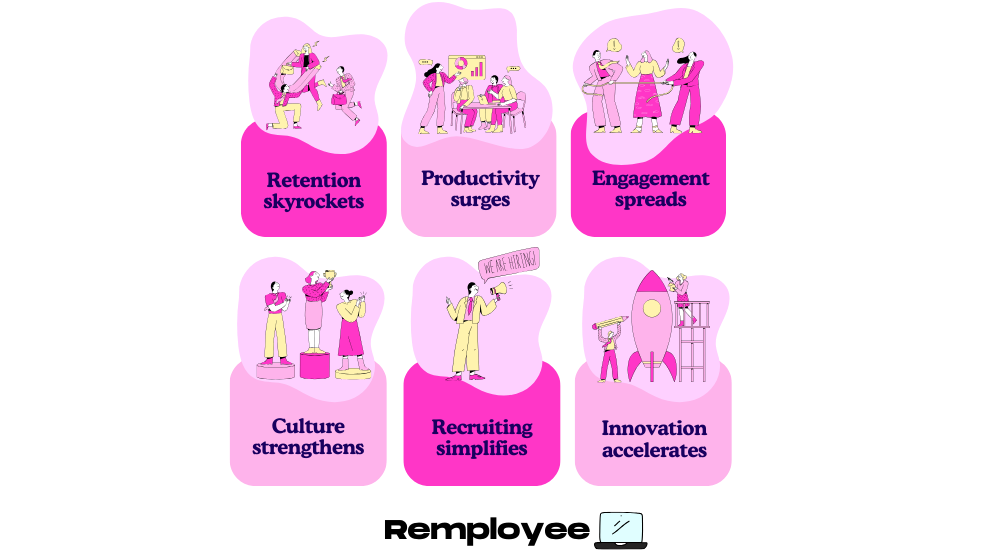
- Retention skyrockets: Gallup’s 2024 data shows 31% lower turnover when employees feel valued. Each saved hire keeps $30-50k in your pocket.
- Productivity surges: Recognized remote workers deliver 23% more output. Weekly appreciation beats annual reviews every time.
- Engagement spreads: One celebrated employee motivates three colleagues. Momentum builds. Energy becomes contagious.
- Culture strengthens: Distributed teams bond through shared wins. Slack channels buzz with celebration, not silence.
- Recruiting simplifies: Happy employees become volunteer recruiters. They post success stories. Send referrals. Close hesitant candidates.
- Innovation accelerates: Appreciated teams take bigger swings. Risk tolerance increases when failure won’t mean invisibility.
The ROI hits within 90 days. Measurable. Sustainable. Undeniable.
1. Offer Flexible Work Schedules
Your developer in Berlin wants to start at 6 AM so she can pick up her kids at 2 PM. Your designer in Austin hits peak creativity at 10 PM. Let them.
Flexible schedules cost nothing but trust. And trust pays dividends. Set core collaboration hours, maybe 11 AM to 3 PM EST, then release the reins.
One client shifted to flex schedules last January. Their engagement scores jumped 23%. Turnover dropped. Productivity stayed rock solid. Because adults manage their time better when you treat them like adults.
2. Provide Professional Development Stipends
Drop $1,500 per employee annually on courses, conferences, certifications. Whatever lights their professional fire.
Your marketing lead wants to master Python? Fund it. Your accountant dreams of UX design? Support it. Skills compound. Even sideways learning creates unexpected connections that benefit your business.
According to LinkedIn’s 2024 Workplace Learning Report, 94% of employees would stay longer at companies that invest in their development. The math works out. One retained employee saves you 50-200% of their annual salary in replacement costs.
3. Recognize Achievements Publicly Online
Screenshot that killer client feedback. Share it on LinkedIn. Tag your remote superstar. Watch their network explode with congratulations.
Public recognition hits different. Their mom sees it. Their old boss sees it. That friend who doubted their remote career sees it. You’re amplifying their professional brand while celebrating your culture.
Create a monthly ritual. Pick three wins. Write genuine, specific posts about the humans behind them. Skip generic praise. Detail the problem they solved, the impact they created, the skills they demonstrated. Make them feel famous.
4. Send Personalized Care Packages

Forget branded water bottles and company hoodies nobody wears. Send stuff that shows you actually pay attention.
Your project manager mentioned her sourdough obsession? Ship a artisan bread kit. Your sales rep posted about his new espresso machine? Premium coffee beans arrive next week. Small gestures that scream “we see you as a person, not employee #247.”
Budget $75-150 quarterly per person. Track interests during casual conversations. Keep a simple spreadsheet. When someone exceeds expectations, surprise arrives within 72 hours. The delight factor beats any annual bonus.
5. Give Extra Paid Time Off

Monday morning email: “Hey Sarah, you’ve been crushing it. Take Friday off. Full pay. No questions.”
Extra PTO costs less than you think. One surprise day off rejuvenates more than a week of dragging through burnout. Time becomes the ultimate currency when work and life blur in the same space.
Build a PTO reward bank. Major project completion? One day. Exceptional client feedback? Half day. Going above and beyond consistently? Long weekend. Document the criteria, but keep some spontaneous. The unexpected time gift hits hardest.
6. Introduce Peer-to-Peer Recognition Programs
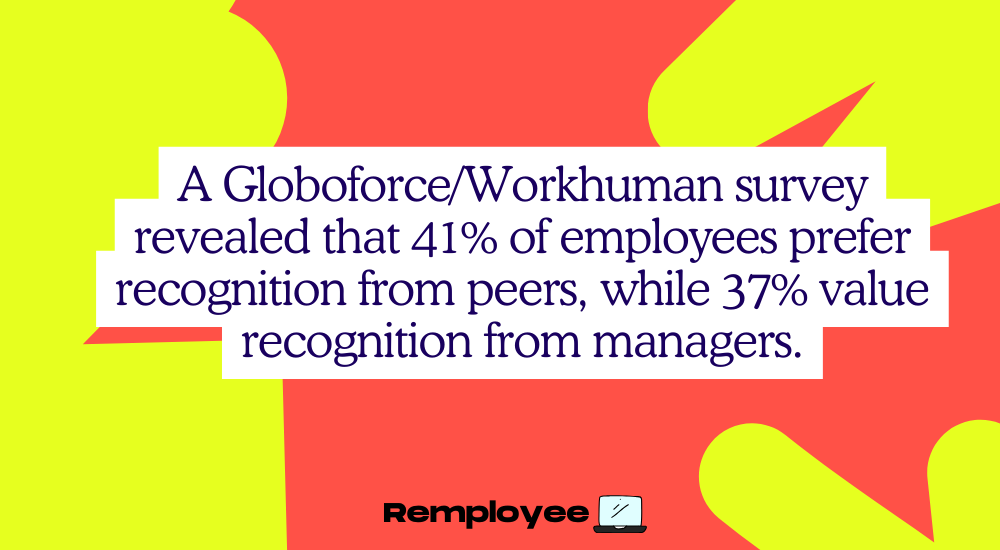
Your team sees victories you miss. That developer who debugged code at midnight. The customer success rep who salvaged a nightmare account. Let them celebrate each other.
Launch a simple system. Each employee gets three “kudos” monthly to give colleagues. Public channel in Slack. Small rewards attached—$25 gift cards, charity donations, lunch credits. The recognition matters more than the prize.
Watch what happens. Silos dissolve. Collaboration increases. People start noticing good work everywhere. The culture shift happens fast when appreciation flows horizontally, not just top-down. Recognition becomes part of daily rhythm.
7. Offer Wellness and Fitness Subscriptions
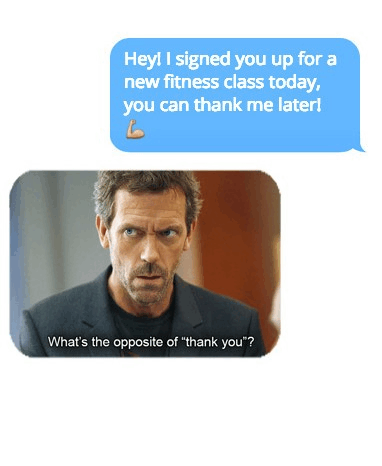
Remote work saves commute time but kills movement. Combat the desk sentence with wellness perks that actually get used.
Peloton digital, Headspace, ClassPass credits—let employees choose what fits. Your data analyst loves yoga. Your copywriter needs strength training. Your CFO swears by meditation. Same budget, different solutions.
Sweetgreen reports 87% of employees say wellness programs positively impact culture. The ROI extends beyond health claims. Energy improves. Stress drops. That 3 PM slump disappears. Invest $50-100 monthly per person. Watch productivity and morale climb in parallel.
8. Celebrate Milestones with Virtual Events
Five years at the company deserves more than an automated email. Work anniversaries, project launches, personal wins—make them memorable.
Host surprise Zoom parties. Fifteen minutes. Camera on. Whole team drops everything to celebrate one person. Share embarrassing first-day screenshots. Tell stories about their biggest saves. Record it. Send them the video.
Virtual magicians, cocktail classes, cooking sessions with celebrity chefs—experiences that break the monotony. Budget $500-1000 for major milestones. The memory lasts longer than any plaque collecting dust.
9. Provide Learning and Training Opportunities

Beyond basic stipends, create structured learning paths. Partner with MasterClass, Coursera, or specialized platforms in your industry.
- Monthly lunch-and-learns led by team members
- External expert workshops quarterly
- Conference attendance (virtual or in-person)
- Certification prep programs with study groups
- Mentorship matching across departments
The key: paid learning time. Four hours weekly for skill development. No guilt. No after-hours cramming. Growth becomes part of the job description, not an add-on.
10. Deliver Surprise Food or Coffee Vouchers
Thursday afternoon. Energy dragging. Suddenly, $30 DoorDash credit hits everyone’s email. “Dinner’s on us tonight.”
Food delivery rewards solve real problems. Remote workers skip meals. Forget lunch. Survive on sad desk snacks. Your surprise credits force them to pause, eat properly, recharge.
Rotate between coffee shops, meal delivery, grocery services. Use platforms like Hoppier or Snappy to manage distribution across countries. Track preferences. Vegetarian? Noted. Caffeine addiction? Coffee credits doubled. Small database, massive impact.
11. Offer Tech Upgrades or Home Office Support
Let high performers level up their workspace. Earned through consistent excellence, not tenure. The productivity gains from proper equipment dwarf the investment.
12. Create Monthly Employee Spotlight Features
Dedicate real estate to individual stories. Company newsletter. Website. All-hands meetings. Go deep.
Interview format works best. Their journey. Current projects. Hidden talents. That employee who builds robots on weekends? Feature it. The analyst training for marathons? Share the dedication. Connect human to role.
Microsoft Viva Insights shows employees who feel recognized are 2.7x more likely to be highly engaged. Spotlight features create celebrities within your organization. Others see paths. Possibilities. Proof that growth happens here.
13. Give Personalized Gift Cards or Rewards

Generic Amazon cards feel transactional. Personalized rewards hit emotional notes.
That guitar enthusiast gets Guitar Center credit. Your foodie receives a reservation at an impossible-to-book restaurant. The bookworm gets first editions. Same budget. Completely different impact.
Bonusly streamlines this personalization at scale. Employees list interests. System suggests targeted rewards. Managers approve with one click. The platform tracks preferences, automates delivery, measures engagement. Technology handling logistics while you focus on recognition timing.
14. Provide Mentorship and Career Growth Paths
Pair junior developers with senior architects. Connect aspiring managers with current leaders. Create growth visibility.
Structure matters:
- Bi-weekly 30-minute sessions
- Clear goals documented upfront
- Quarterly progress reviews
- Mentor training provided
- Cross-department encouraged
The career path conversation shifts from annual reviews to ongoing dialogue. Employees see futures. Mentors feel valued. Knowledge transfers naturally. Retention skyrockets when people visualize their next three moves within your company.
15. Host Fun Remote Team-Building Games
Murder mysteries. Escape rooms. Trivia battles. Virtual games that make people forget they’re “team building.”
Skip trust falls translated to Zoom. Choose activities requiring actual collaboration. Online cooking competitions where teams create dishes simultaneously. Digital scavenger hunts across cities. Pictionary tournaments with inside jokes.
TeamBuilding reports remote teams that play together monthly show 34% higher collaboration scores. Keep it voluntary. Rotate time zones. Record for those who miss. Fun becomes the reward, connection the bonus.
16. Support Work-Life Balance Initiatives
Childcare subsidies. Elder care support. Mental health days. Address the life part of work-life balance.
Create “Family Fridays”—kids and pets welcome on calls. Offer backup care through Bright Horizons when regular arrangements fall through. Provide access to counseling services. Normalize taking time for life emergencies.
Real support means policies with teeth. Manager training on respecting boundaries. No after-hours emails. Mandatory vacation minimums. The message: we want whole humans, not burnt-out husks.
17. Encourage Employee-Driven Recognition Ideas
Your team knows what meaningful recognition looks like better than any consultant.
Quarterly surveys: What recognition felt amazing? What fell flat? What would make you feel truly valued? Anonymous feedback. Public discussion. Implementation within 30 days.
Last year, one startup’s employees suggested “failure parties”—celebrating bold attempts that didn’t work. Another requested “skill swaps”—employees teaching personal expertise. Both became cornerstone culture elements. Your team holds the blueprints. Ask them to share.
How to Create an Employee Reward Program?
Step 1: Audit Your Current State
Survey your team anonymously. What recognition have they received? What landed? What missed? Use Culture Amp or TINYpulse for structured feedback.
Map existing recognition: random shoutouts, annual reviews, spot bonuses. Document frequency, impact, cost. Most companies discover massive gaps. Sarah hasn’t heard “good job” in six months. Mike’s exceptional project got zero acknowledgment. Reality check complete.
Example: Buffer’s audit revealed 67% of employees felt under-recognized despite manager assumptions everything was fine.
Step 2: Define Clear Categories and Criteria
Build recognition buckets:
- Daily wins (peer-to-peer kudos)
- Weekly achievements (manager callouts)
- Monthly milestones (team celebrations)
- Quarterly excellence (significant rewards)
- Annual superstars (major recognition)
Set specific triggers. Project completion. Client praise. Process improvement. Innovation. Help others. Document exact behaviors you want repeated.
Example: GitLab publishes exact recognition criteria. “Efficiency bonus: Anyone who automates a manual process saving 5+ hours weekly receives $500.”
Step 3: Choose Your Tech Stack
Platform selection matters. Bonusly for peer recognition. Achievers for enterprise scale. Nectar for small teams. WorkTango for analytics-heavy organizations.
Integration requirements: Slack/Teams compatibility. HRIS sync. Budget tracking. Multi-currency support. Reporting dashboards. Test platforms with free trials. Most offer 30-day pilots.
Example: Spotify uses Bonusly. Employees give micro-bonuses daily. Points convert to rewards. The platform handles taxes, distribution, tracking. 40,000 recognition moments monthly.
Step 4: Launch Small, Iterate Fast
Start with one department. Run for 60 days. Gather feedback. Adjust. Then expand.
Common launch mistakes: Over-complicated rules. Delayed rewards. Manager gatekeeping. Anonymous recognition. Fix these early.
Communication template: Why we’re doing this. How it works. What you’ll receive. When it starts. Where to give feedback. Keep it under 300 words. Nobody reads manifestos.
Example: Zappos launched with 10-person pilot. Refined for three months. Scaled company-wide. Now processes 5,000 peer recognitions weekly.
Step 5: Measure and Optimize
Track participation rates. Recognition frequency. Reward redemption. Engagement scores. Retention impact. Monthly dashboards minimum.
Set improvement targets. Month 1: 50% participation. Month 3: 75%. Month 6: 90%. If rates drop, program dies. Momentum matters more than perfection.
Quarterly reviews with employees. What’s working? What’s broken? What’s missing? Implement suggested changes within two weeks. Show them their input shapes the program.
Example: Basecamp adjusts their program quarterly based on employee feedback. Latest addition: “Learning rewards”—employees who complete courses get automatic bonuses. Participation jumped 40%.
Wrap Up
Remote recognition demands more than digital applause and quarterly bonuses. Your distributed team craves genuine appreciation that transcends time zones and laptop screens.
These 17 strategies transform hollow gestures into meaningful moments. Flexible schedules. Learning investments. Surprise deliveries. Each one tested, proven, ready to implement tomorrow.
Start small. Pick three strategies. Run them for 30 days. Watch what happens when your team feels genuinely seen.
The companies winning the remote talent war understand this truth: Recognition builds loyalty. Loyalty builds empires. Even virtual ones.
Your move.

Ben doesn’t buy into “the way it’s always been done.” He’s spent his career challenging hiring norms and rethinking how remote work should feel. At Remployee, he helps create honest tools and opportunities for people tired of the gig economy’s empty promises.

After years of freelancing through broken systems and vague job boards, Josie built Remployee to help others find what she couldn’t at first: flexible work that feels like freedom, not chaos. She believes real jobs should fit real lives—and that thoughtful writing can be a bridge to better work. If you’re looking for permission to choose differently, Josie’s already given it.